
Without a doubt, the FIFA World Cup is an event that brings the world to a standstill. Beyond the maneuvers and skills with the ball, players must focus on maintaining an optimal state of health and taking care, as much as possible, not to suffer injuries that could keep them off the field.
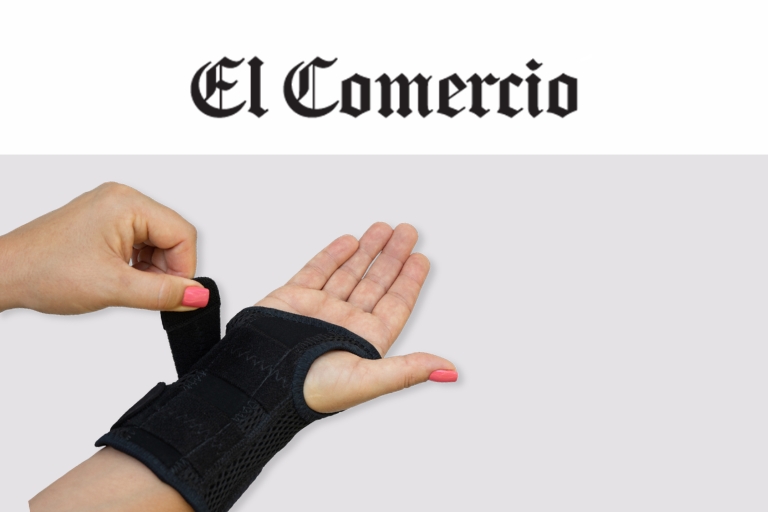
Injuries in soccer are quickly associated with knees, ankles, hips, and the lower extremities in general; however, there are a number of players who are affected in the upper extremities, such as the shoulder, elbow, wrists, and fingers, and although they may appear to be less frequent, they require care. The wrist is a common area of injury in sports that can involve cartilage, ligaments, and the capsule, as well as bone injuries such as the distal radius or the scaphoid bone.
When these injuries occur, in my case, I look for the least invasive procedure possible to allow the athlete an optimal recovery in less time. This process is made possible by joint arthroscopy, which, being a minimally invasive method, now provides us with a more precise way to diagnose many of these subtle injuries.
The indications for wrist arthroscopy have been well established, but new techniques using metacarpophalangeal and thumb carpometacarpal arthroscopy are evolving. This includes fixation methods, radiofrequency probes to remove and reduce tissue, and rehabilitation methods.
Hand and wrist injuries must be evaluated by an appropriate subspecialist, as this will not only prevent a misdiagnosis. It is important for the surgeon to know how to manage these problems and to interact with coaches and therapists.