

Premier Orthopedic Care for Patients from Chile
Dr. Badia provides advanced solutions for conditions like SLAP tears and wrist instability. We welcome patients from Chile to our bilingual Miami clinic for seamless, world-class care.


Why Patients from Chile Choose Dr. Badia
Patients from Chile trust Dr. Badia for his expertise in treating complex injuries like major SLAP tears and wrist instability. Our bilingual team ensures a comfortable experience, starting with a convenient virtual consultation.

REAL PATIENT EXPERIENCES
Success Stories from Our Patients in Chile
Discover the journeys of patients who traveled from Chile to Miami for specialized orthopedic solutions.
From repairing SLAP tears to treating wrist instability, their stories highlight the life-changing impact of our dedicated, bilingual care.
YOUR TREATMENT JOURNEY
Specialized Care from Chile to Miami
Access world-renowned expertise without language barriers. Dr. Badia welcomes patients from Chile, offering a fully coordinated healthcare experience at our U.S. center, supported by our dedicated Spanish-speaking staff.
- Telemedicine Evaluation
- In-Person Surgery in Miami
- Personalized Recovery Plan
- Travel and lodging recommendations in Miami
- Insurance and payment options
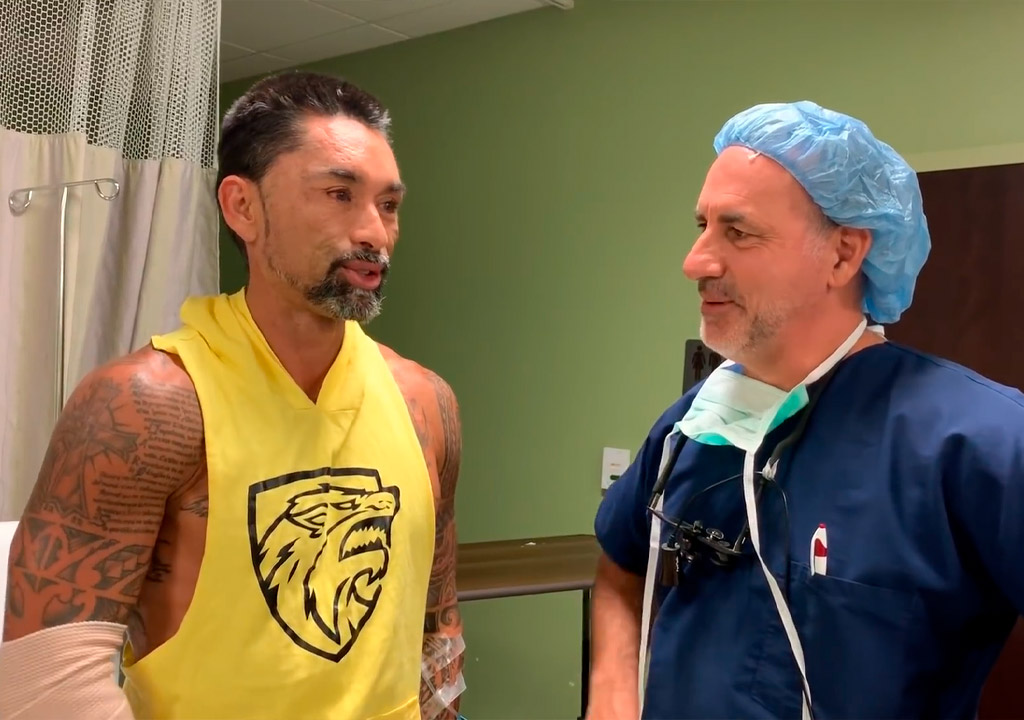
FROM CHILE TO MIAMI
News & Orthopedic Insights for Patients from Chile
Explore the latest articles and interviews featuring Dr. Badia. Learn about the advanced treatments for complex hand and
upper limb conditions that are bringing patients from Chile to our specialized center in Miami.
Hand pain? …don’t downplay it
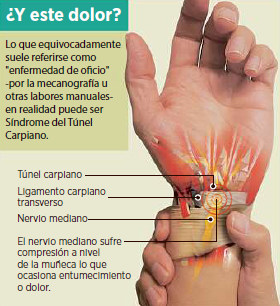
Carpal Tunnel Syndrome is metabolic: Hand pain? Don't downplay it. Diario Reforma/ Israel Sanchez Tonight, for the third time this week, she woke up again with that tingling and numbness...
Is WFH Sparking Your Carpal Tunnel? 9 Ways to Curb the Pain
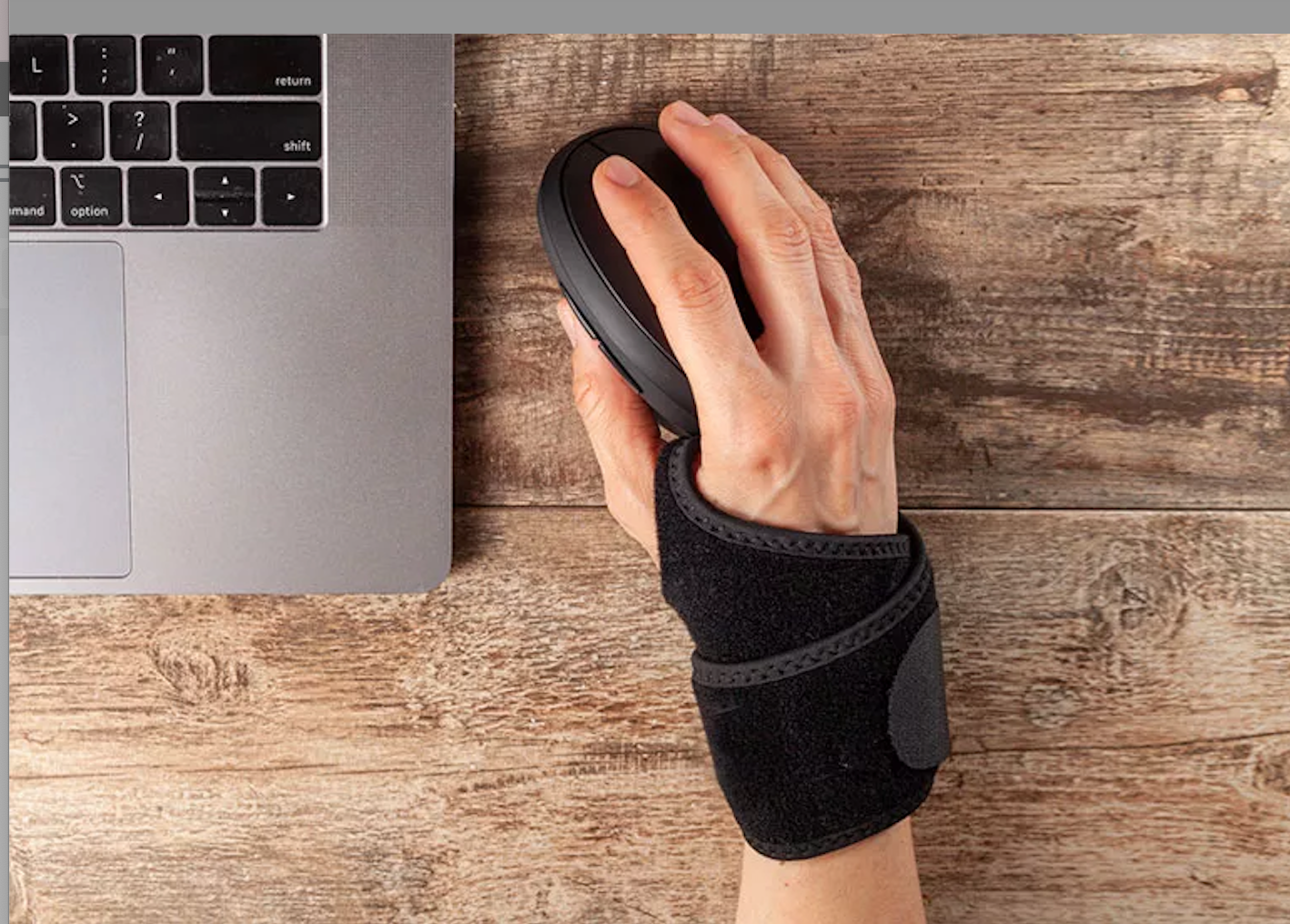
By Gabrielle Kassel, August 20, 2020 August 20, 2020 Carpal tunnel syndrome, one of the most phonetically pleasing health conditions in the English language, affects the wrists. As many as...
What’s Really Causing Carpal Tunnel Syndrome?
By Sanctuary magazine staff Carpal tunnel, which is a common nerve compression disorder causing pain, tingling and numbness in the wrist, hand and fingers, is an occupational disease, right? "Wrong,”...
Patient FAQs
Information for
Our Patients from Chile
How are upper extremity athletic injuries treated?
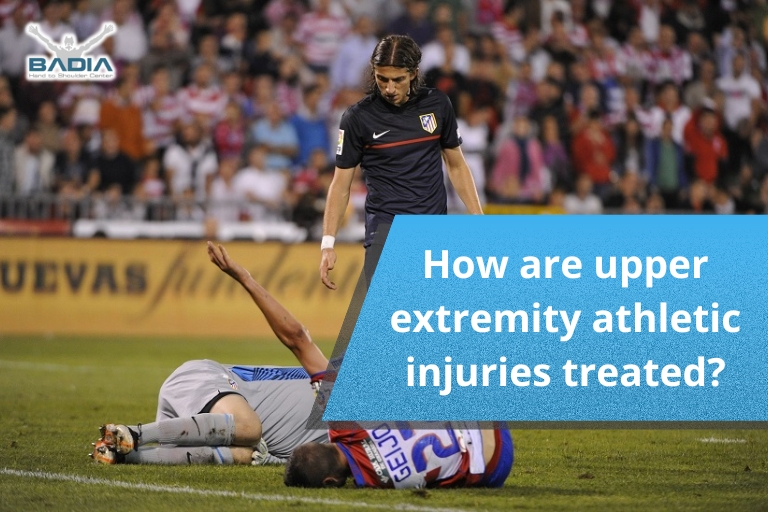
Treatment depends on the nature and severity of the injury. For mild sprains, strains, and tendon inflammation, non-surgical options such as rest, physical therapy, anti-inflammatory medications, and bracing are often sufficient. Regenerative treatments, including platelet-rich plasma (PRP) or stem cell therapy, may also accelerate healing by stimulating tissue repair.
For more complex injuries — like ligament tears, joint instability, or fractures — Dr. Badia often recommends minimally invasive arthroscopic surgery. This approach allows for precise repair or reconstruction through tiny incisions, minimizing pain, scarring, and recovery time.
Post-surgery, a tailored rehabilitation program helps restore motion, strength, and coordination so athletes can return to their sport safely. With his extensive experience treating professional and recreational athletes, Dr. Badia focuses on restoring peak function while preventing future injury recurrence through advanced surgical techniques and evidence-based care.
What are the best ways to prevent sports-related shoulder, elbow, and wrist injuries?
Preventing upper extremity injuries starts with a balanced training routine that emphasizes strength, flexibility, and proper biomechanics. Athletes should perform dynamic warm-ups before activity and focus on core and scapular stability to reduce stress on the shoulder and elbow.
Using the correct technique and equipment — such as proper grip size on racquets or adjusted throwing mechanics — also plays a key role. Gradually increasing training intensity and incorporating adequate rest days can prevent fatigue-related breakdowns.
Dr. Badia also encourages athletes to pay attention to early warning signs, like soreness or decreased range of motion. Addressing minor symptoms promptly through targeted therapy, guided injections, or motion retraining can prevent more severe injuries that require surgery. Ongoing preventive care, combined with education and sport-specific conditioning, forms the foundation for long-term athletic performance and joint health.
When should an athlete see a hand or upper extremity specialist?
Athletes should seek evaluation from a hand or upper extremity specialist if they experience persistent pain, swelling, stiffness, numbness, or reduced grip strength after training or competition. Ignoring early symptoms can lead to more serious injuries, such as tendon ruptures, ligament tears, or chronic joint instability.
A specialist like Dr. Badia can perform advanced diagnostic imaging and physical assessments to identify the root cause of discomfort. His expertise in hand, wrist, and elbow arthroscopy enables him to detect subtle injuries that might not appear on X-rays alone.
Even minor injuries, when untreated, can compromise athletic performance and cause compensatory strain in other joints. By getting evaluated early, athletes can benefit from customized treatment plans, including regenerative medicine options (like PRP therapy) or minimally invasive surgery when necessary, to accelerate recovery and protect long-term function.
How do overuse injuries develop in athletes?
Overuse injuries occur when an athlete performs repetitive motions without adequate rest or conditioning. These microtraumas accumulate over time, leading to inflammation, tendon degeneration, or cartilage wear. In the upper extremity, overuse often affects the elbow, shoulder, and wrist, especially in racquet sports, throwing activities, or weight training.
For example, tennis elbow and golfer’s elbow are caused by repetitive gripping and wrist extension movements, while shoulder impingement or rotator cuff tendinitis develops from repeated overhead motions. Gymnasts, swimmers, and pitchers are at particularly high risk due to continuous strain on stabilizing muscles and ligaments.
Preventing overuse injuries involves proper technique, cross-training, rest, and strengthening the muscles that support the joints. If pain persists, Dr. Badia recommends an early consultation to assess the extent of tissue damage. Minimally invasive arthroscopic techniques can often treat overuse-related tears or inflammation effectively while preserving long-term joint health.
What are the most common upper extremity athletic injuries?
Common upper extremity sports injuries include rotator cuff tears, shoulder dislocations, labral tears, tennis elbow (lateral epicondylitis), wrist sprains, and finger fractures. These injuries can occur from overuse, repetitive motions, or direct trauma during sports like baseball, tennis, basketball, or golf.
Athletes who rely heavily on throwing or overhead movements — such as pitchers, swimmers, or volleyball players — are particularly prone to shoulder and elbow injuries due to repetitive stress on tendons and ligaments. Meanwhile, contact sports or falls often lead to wrist and hand fractures.
Early diagnosis and specialized treatment are key to avoiding chronic instability or long-term loss of motion. Dr. Badia emphasizes arthroscopic evaluation and treatment, which allows for precise repair of damaged structures with minimal downtime — helping athletes return to play safely and efficiently.
Start Your Recovery Journey
Join the patients from Chile who trust Dr. Badia for world-class orthopedic care.
Begin your path to relief today with a secure virtual consultation from home.