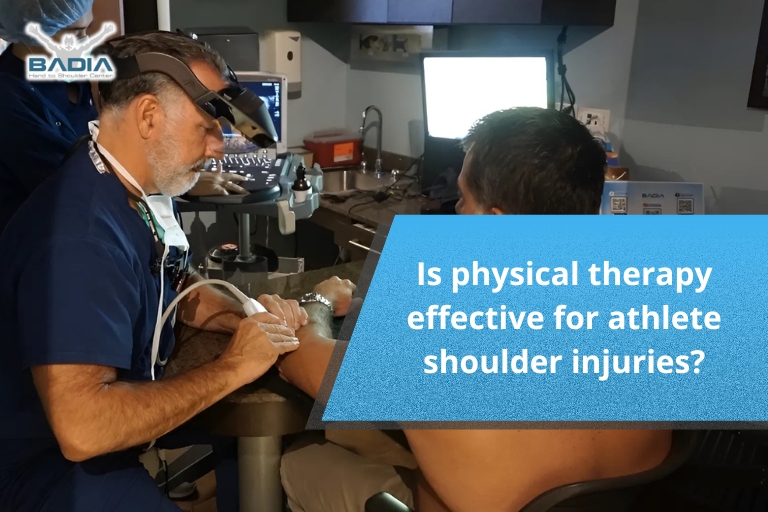
Yes, physical therapy is often one of the most effective treatments for shoulder injuries in athletes. Targeted exercises strengthen the supporting muscles, improve mobility, and help restore balance between the muscles that stabilize the shoulder joint. Therapists also work on posture, biomechanics, and sport-specific movements to reduce the risk of reinjury. Many athletes find that… [Read More]

What sports put athletes at the highest risk for shoulder injuries?
Sports that require repetitive overhead motions, heavy lifting, or frequent collisions put the shoulders under the most strain. Baseball pitchers, tennis players, volleyball players, swimmers, and weightlifters commonly experience shoulder injuries because of the intense and repetitive nature of their training. Contact sports like football and wrestling also increase the risk due to impact and… [Read More]
When should an employee see a hand surgeon for a work injury?
An employee should consult a hand surgeon if pain, swelling, or stiffness persists after a workplace injury. Additional warning signs include numbness, tingling, loss of grip strength, visible deformity, or open wounds that may involve tendons or nerves. Some injuries, like fractures or tendon ruptures, require immediate surgical attention to prevent long-term disability. Others, such… [Read More]
Can repetitive strain injuries in the hand be prevented?
Yes, many repetitive strain injuries (RSIs) can be prevented with proper ergonomics and workplace practices. Adjusting workstation height, using ergonomic keyboards, and positioning tools correctly can reduce stress on the hands and wrists. Regular breaks, stretching, and alternating tasks also minimize strain. Employers can support prevention by providing training and equipment that promote safe working… [Read More]
How can carpal tunnel syndrome be related to work?
Carpal tunnel syndrome is one of the most common repetitive strain injuries linked to work. It develops when the median nerve, which runs through the wrist, becomes compressed due to repetitive hand and wrist motions. Jobs that require constant typing, assembly line tasks, or use of vibrating machinery are particularly associated with this condition. Symptoms… [Read More]
What should I do immediately after a workplace hand injury?
The first step after a workplace hand injury is to stop what you are doing and assess the severity of the injury. For cuts, apply pressure to control bleeding and clean the wound with sterile materials. If the injury involves swelling, fractures, or severe pain, immobilize the hand to prevent further damage until you can… [Read More]
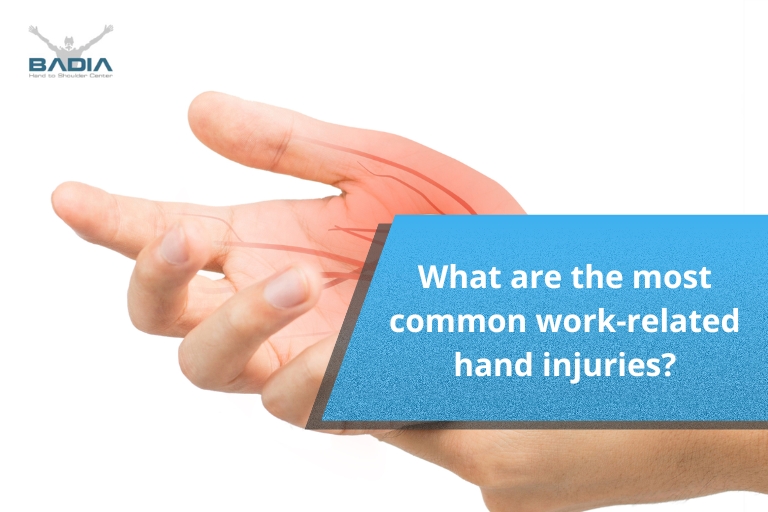
What are the most common work-related hand injuries?
Work-related hand injuries are some of the most frequent workplace accidents, especially in industries that involve heavy machinery, repetitive tasks, or manual labor. The most common types include fractures, tendon and ligament injuries, lacerations, crush injuries, burns, and repetitive strain injuries such as carpal tunnel syndrome. Each of these injuries can significantly limit hand function… [Read More]
How can athletes prevent shoulder injuries?
Prevention is one of the best tools athletes have to protect their shoulders. Strengthening the rotator cuff and surrounding muscles, maintaining flexibility, and incorporating proper warm-ups can significantly reduce the risk of injury. Proper technique and posture during sports activities are also essential, as repetitive motions performed incorrectly can quickly lead to overuse injuries. Cross-training… [Read More]
What is the recovery time for an athlete after shoulder surgery?
Recovery times vary widely depending on the type of surgery and the extent of the injury. Arthroscopic procedures for minor issues may allow athletes to return to training within 4–6 months, while more complex surgeries such as rotator cuff or labral repairs may require 9–12 months before full competitive play is possible. Rehabilitation is a… [Read More]
Can athletes recover from a rotator cuff tear without surgery?
Not all rotator cuff tears require surgery, especially if the tear is partial or mild. Many athletes benefit from a non-surgical approach that includes physical therapy, activity modification, and anti-inflammatory medications. In some cases, regenerative treatments like platelet-rich plasma (PRP) injections may also be considered to encourage healing. That said, more severe tears—especially those that… [Read More]
How do I know if my shoulder injury needs medical attention?
Many athletes experience occasional soreness, but if shoulder pain lingers for more than a few days, worsens with activity, or limits your ability to train or compete, it may indicate something more serious. Warning signs that require evaluation include swelling, weakness, numbness, instability, or an inability to move the shoulder normally. Ignoring these symptoms may… [Read More]
What are the most common shoulder injuries in athletes?
Athletes often place heavy demands on their shoulders, especially in sports that require repetitive overhead motions such as baseball, tennis, swimming, and volleyball. The most common injuries seen in this group include rotator cuff tears, labral tears, impingement syndrome, dislocations, and tendonitis. These conditions develop either from sudden trauma, like a fall or collision, or… [Read More]
- « Previous Page
- 1
- 2
- 3
- 4
- …
- 8
- Next Page »