YOUR TREATMENT PATHWAY
Success Stories from Our Venezuelan Patients
Hear directly from patients who have traveled from Venezuela to Miami for specialized care with Dr. Alejandro Badia. Their journeys highlight not only life-changing surgical outcomes but also the immense trust and confidence they placed in our dedicated international patient team. Discover how world-class orthopedic treatment has restored their quality of life.
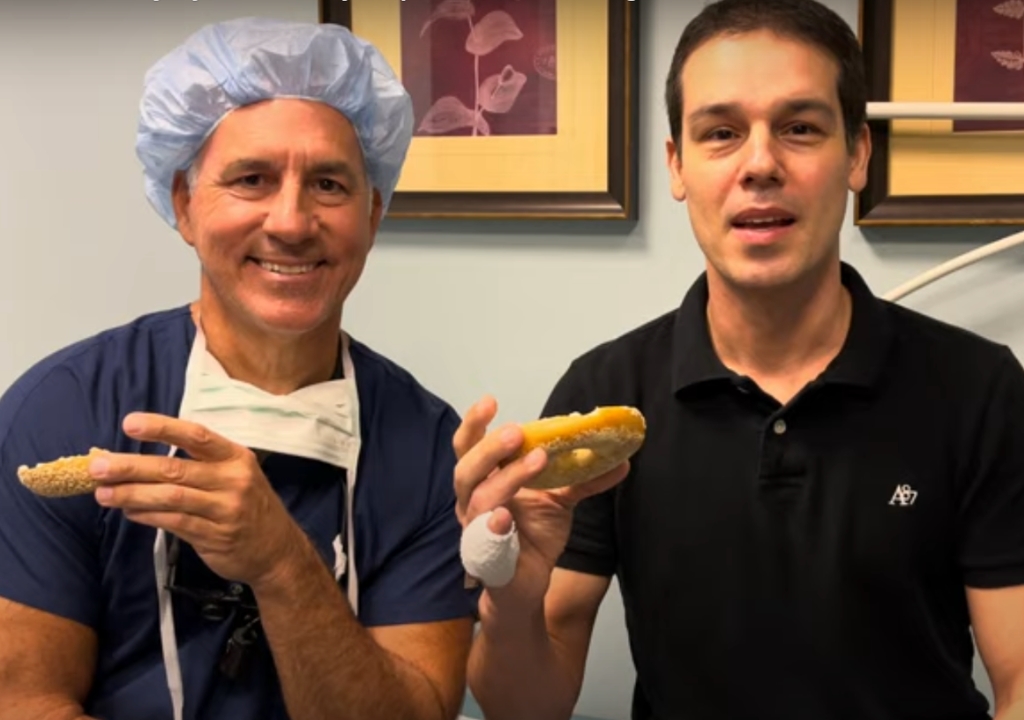
Elbow Injury Wilker Angel Venezuelan Soccer Player Procedure by Dr. Badia
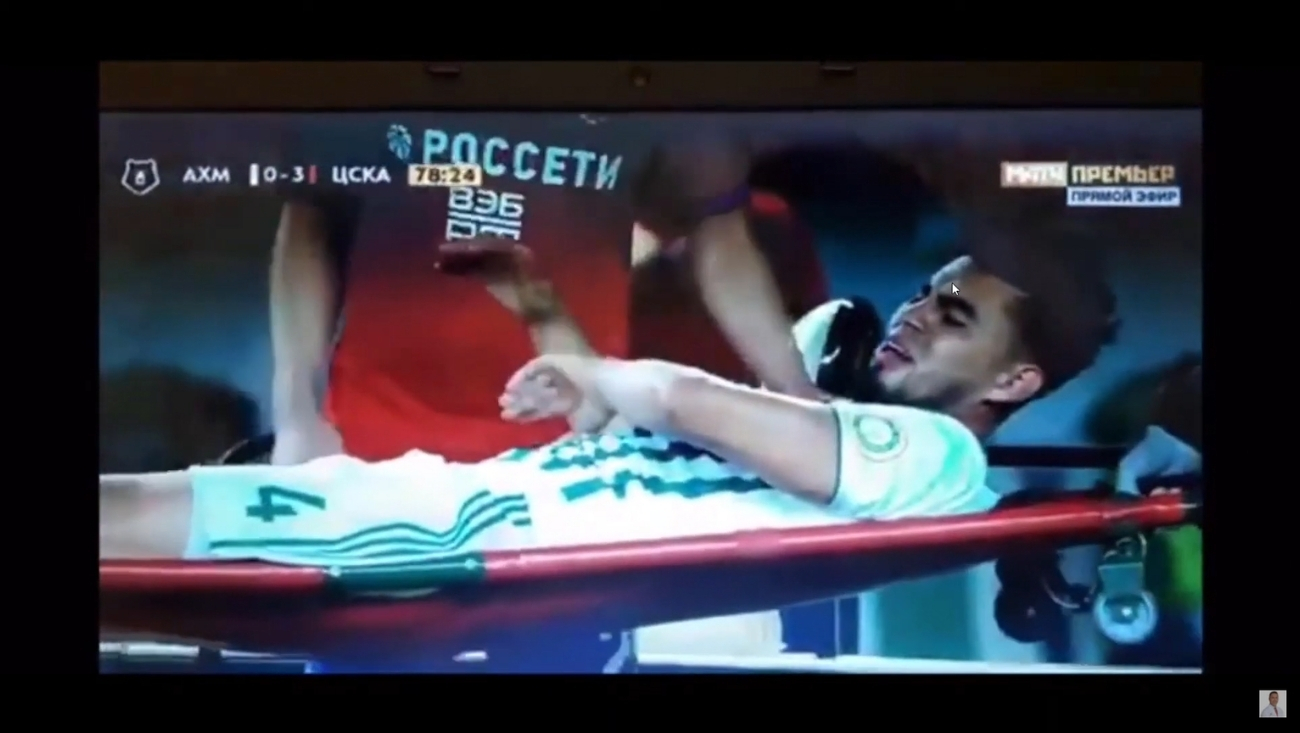
Hand and Upper Limb Injuries Are Surprisingly Common in the Soccer World This video illustrates an elbow procedure to treat a Venezuelan soccer player who suffered a severe elbow injury...
I Was Operated On Twice In My Country, And Only When I Arrived Here Was I Completely Cured.
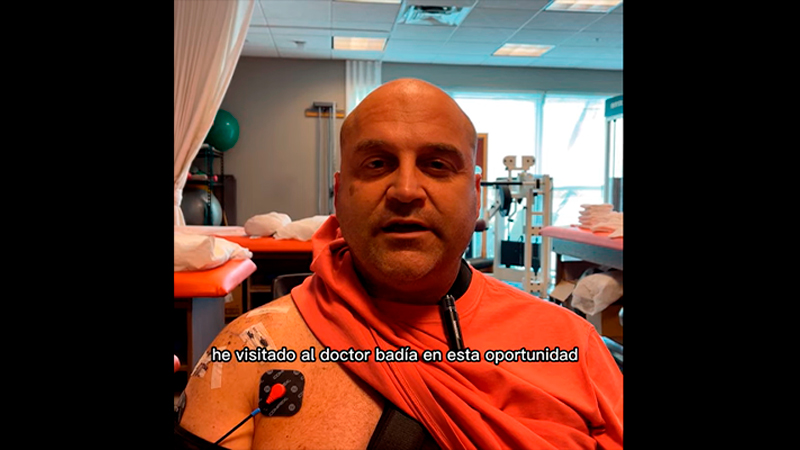
Our patient visited us from #venezuela and shares his story just days after his procedure.Procedure: Rotator cuff repair using Regeneten bioinductive implant. https://youtu.be/arKpaQbY8uY
Correction of Tennis Player Kepler Orellana’s Hand
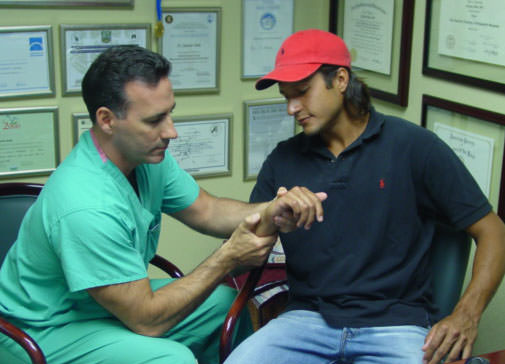
Lara native Kepler Orellana, who last year was the hero that returned Venezuela to the elite of continental tennis with his victory over the Uruguayan Federico Dondo on his home...
Why Patients From Venezuela Choose Dr. Badia
A significant number of patients from Venezuela travel to the U.S. specifically for the specialized orthopedic care provided by Dr. Badia and his team. His international reputation, combined with a proven track record of world-class outcomes, makes him the definitive choice for complex conditions of the hand, wrist, elbow, and shoulder.
YOUR TREATMENT OPTIONS
A Clear Path to Expert Care from Venezuela to Miami
Dr. Badia’s expertise is sought by patients from over 80 countries. We have created a seamless process for individuals traveling from Venezuela to access his world-renowned orthopedic upper limb surgery at our U.S. center.
- Telemedicine Evaluation
- In-Person Surgery in Miami
- Personalized Recovery Plan
- Travel and lodging recommendations in Miami
- Insurance and payment options
STAY INFORMED
News & Insights Relevant to Patients from Venezuela
Stay up to date with the latest news, interviews, and orthopedic insights from Dr. Alejandro Badia. Discover information on advanced hand, wrist, elbow, and shoulder treatments that are relevant to patients and the medical community in Venezuela.
Venezuelan Patient Had Two Surgeries Without Improvement… Until He Came to Miami
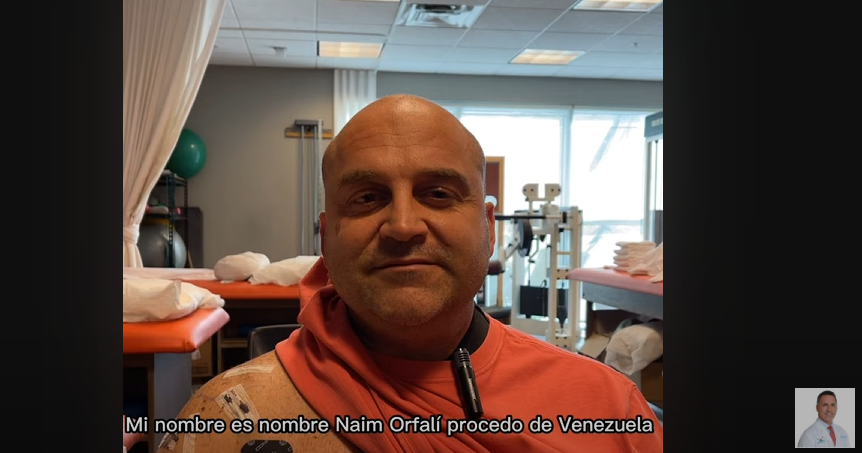
https://youtube.com/shorts/ZdKDG4QYKBg?si=rzOV5LnfkeVVRaqz Naim came from Venezuela after undergoing two surgeries in his home country for a shoulder injury, but the pain persisted. Here in Miami, we were able to definitively resolve...
Interview with Dr. Badia on Globovision Deportes-Venezuela About Sports Injuries and the World Cup
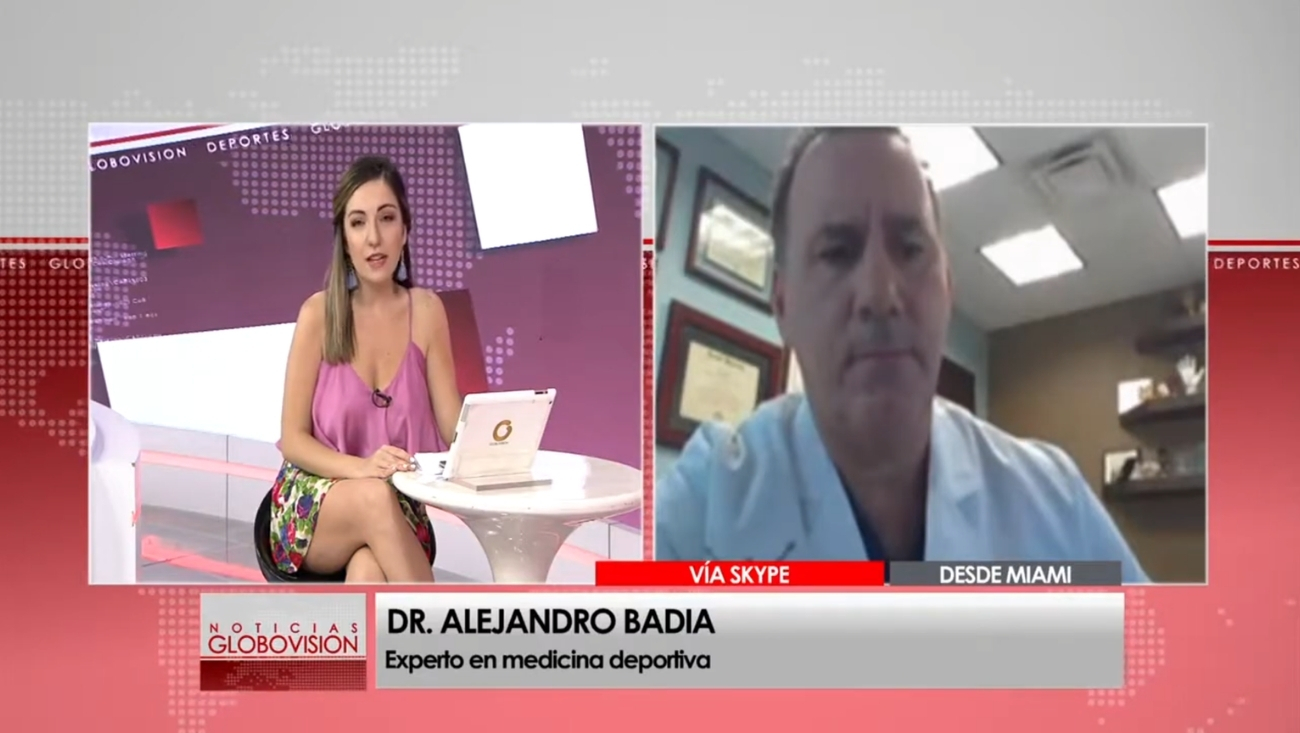
https://www.youtube.com/watch?v=cUi5fqfOXBo The host of the Globovision Deportes-Venezuela program interviews Dr. Alejandro Badia, an orthopedic surgeon and sports medicine expert. They discuss the injury of Argentine goalkeeper Sergio Romero, who couldn't...
Dr. Alejandro Badia, One of the Top Orthopedic Surgeons in the Country
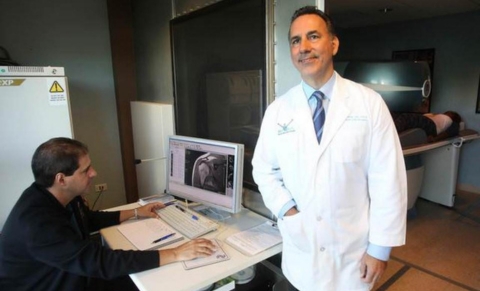
Dr. Alejandro Badia is considered among the top 45 hand and upper extremity surgeons in the United States, according to the specialized publications Becker’s ASC Review and Orthopedic and Spine...
You ask, we answer
What Patients from
Venezuela Want to Know
How are upper extremity athletic injuries treated?
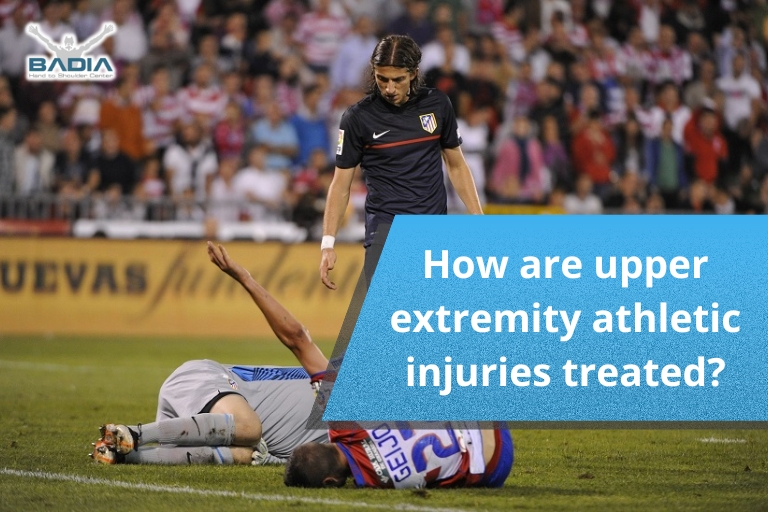
Treatment depends on the nature and severity of the injury. For mild sprains, strains, and tendon inflammation, non-surgical options such as rest, physical therapy, anti-inflammatory medications, and bracing are often sufficient. Regenerative treatments, including platelet-rich plasma (PRP) or stem cell therapy, may also accelerate healing by stimulating tissue repair.
For more complex injuries — like ligament tears, joint instability, or fractures — Dr. Badia often recommends minimally invasive arthroscopic surgery. This approach allows for precise repair or reconstruction through tiny incisions, minimizing pain, scarring, and recovery time.
Post-surgery, a tailored rehabilitation program helps restore motion, strength, and coordination so athletes can return to their sport safely. With his extensive experience treating professional and recreational athletes, Dr. Badia focuses on restoring peak function while preventing future injury recurrence through advanced surgical techniques and evidence-based care.
What are the best ways to prevent sports-related shoulder, elbow, and wrist injuries?
Preventing upper extremity injuries starts with a balanced training routine that emphasizes strength, flexibility, and proper biomechanics. Athletes should perform dynamic warm-ups before activity and focus on core and scapular stability to reduce stress on the shoulder and elbow.
Using the correct technique and equipment — such as proper grip size on racquets or adjusted throwing mechanics — also plays a key role. Gradually increasing training intensity and incorporating adequate rest days can prevent fatigue-related breakdowns.
Dr. Badia also encourages athletes to pay attention to early warning signs, like soreness or decreased range of motion. Addressing minor symptoms promptly through targeted therapy, guided injections, or motion retraining can prevent more severe injuries that require surgery. Ongoing preventive care, combined with education and sport-specific conditioning, forms the foundation for long-term athletic performance and joint health.
When should an athlete see a hand or upper extremity specialist?
Athletes should seek evaluation from a hand or upper extremity specialist if they experience persistent pain, swelling, stiffness, numbness, or reduced grip strength after training or competition. Ignoring early symptoms can lead to more serious injuries, such as tendon ruptures, ligament tears, or chronic joint instability.
A specialist like Dr. Badia can perform advanced diagnostic imaging and physical assessments to identify the root cause of discomfort. His expertise in hand, wrist, and elbow arthroscopy enables him to detect subtle injuries that might not appear on X-rays alone.
Even minor injuries, when untreated, can compromise athletic performance and cause compensatory strain in other joints. By getting evaluated early, athletes can benefit from customized treatment plans, including regenerative medicine options (like PRP therapy) or minimally invasive surgery when necessary, to accelerate recovery and protect long-term function.
How do overuse injuries develop in athletes?
Overuse injuries occur when an athlete performs repetitive motions without adequate rest or conditioning. These microtraumas accumulate over time, leading to inflammation, tendon degeneration, or cartilage wear. In the upper extremity, overuse often affects the elbow, shoulder, and wrist, especially in racquet sports, throwing activities, or weight training.
For example, tennis elbow and golfer’s elbow are caused by repetitive gripping and wrist extension movements, while shoulder impingement or rotator cuff tendinitis develops from repeated overhead motions. Gymnasts, swimmers, and pitchers are at particularly high risk due to continuous strain on stabilizing muscles and ligaments.
Preventing overuse injuries involves proper technique, cross-training, rest, and strengthening the muscles that support the joints. If pain persists, Dr. Badia recommends an early consultation to assess the extent of tissue damage. Minimally invasive arthroscopic techniques can often treat overuse-related tears or inflammation effectively while preserving long-term joint health.
What are the most common upper extremity athletic injuries?
Common upper extremity sports injuries include rotator cuff tears, shoulder dislocations, labral tears, tennis elbow (lateral epicondylitis), wrist sprains, and finger fractures. These injuries can occur from overuse, repetitive motions, or direct trauma during sports like baseball, tennis, basketball, or golf.
Athletes who rely heavily on throwing or overhead movements — such as pitchers, swimmers, or volleyball players — are particularly prone to shoulder and elbow injuries due to repetitive stress on tendons and ligaments. Meanwhile, contact sports or falls often lead to wrist and hand fractures.
Early diagnosis and specialized treatment are key to avoiding chronic instability or long-term loss of motion. Dr. Badia emphasizes arthroscopic evaluation and treatment, which allows for precise repair of damaged structures with minimal downtime — helping athletes return to play safely and efficiently.