Published on 07.24.2009 09:36 | By Blanca García Bocaranda
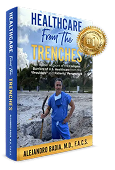
On July 27, the hand surgeon and director of the “Hands and Shoulder Center” in Miami, will hold a meeting with his Venezuelan colleagues, many of whom were trained at the prestigious teaching center.
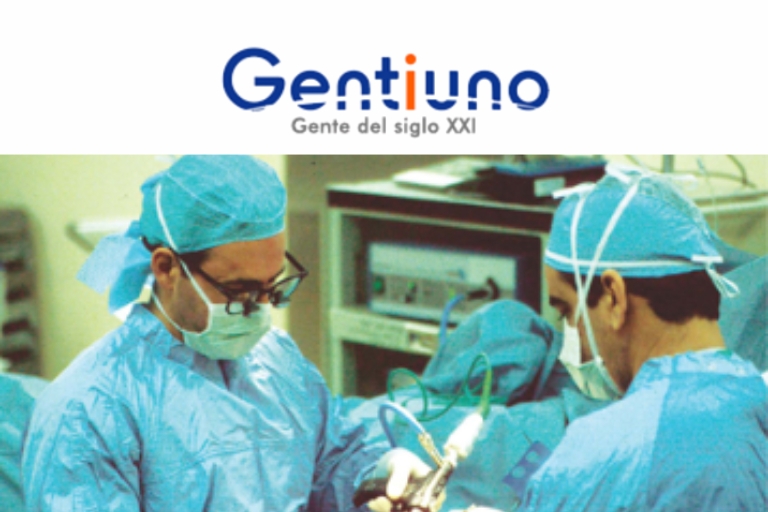
The fracture of Pope Benedict XVI’s right hand, which occurred when he slipped in his room at the Les Combes chalet where he is spending a few days on vacation, and the subsequent surgery aimed at reducing the injury, calls for reflection on the optimal results that these interventions performed by hand surgeons usually achieve.
Hand surgery is a specialty within traumatology referring only to pathologies of the upper limb that affect the function of the hand as an instrument of daily and vital use in our lives. The frequent pathologies that lead to the operating room in this specialty are chronic diseases, such as arthritic processes, trigger finger, metabolic diseases of unknown and non-specific etiology (Carpal Tunnel Syndrome), and De Quervain’s pathology, which limit the use of the hand, in addition to causing pain.
Generally, accidents generate acute injuries such as wounds with damage to tendons, nerves, arteries, and fractures. In the field of upper limb fractures, the most common is that of the distal third of the radius, better known as a “wrist fracture”. It is the most reported in patients over 50 years of age, causing them a lot of disability and morbidity. Patients over 70 years of age are even more sensitive to these events because they are mostly women dedicated to their homes or who work in crafts, and the resulting limitation from the injury depresses them by keeping them away from their usual activities.
“For these cases, a new technique has emerged with novel instruments that allows us to have the patient moving their hand a week after surgery without resorting to immobilizations or external fixators, which are now obsolete; the advantages obtained through open reduction are greater, with fixation using fixed-angle plates because these are very specific, while also offering the advantages of the treatment and screws,” explains Dr. Gustavo Lacau Rivera, from the Policlínica Metropolitana, who learned the procedure with Dr. Alejandro Badia.
AWAKE HANDS
Among peripheral neurological pathologies, the most consulted is Carpal Tunnel Syndrome, as it is closely linked to the workplace. For this, there are very current techniques such as endoscopic release. In elbow pathology, cubital nerve release is a great indication, also performed endoscopically, of vital importance in largely reducing the patient’s morbidity and accelerating their recovery. In the past, other techniques such as submuscular or subcutaneous transposition were applied, whereas today, through minimal incisions of 2 centimeters, we achieve the release.
The hand surgeon frequently diagnoses what could be overlooked if one is not trained in the specialty, such as thumb arthritis of the trapeziometacarpal joint called rhizarthrosis. In this regard, Badia has developed a highly effective treatment in the United States to reduce the problem, during a 25-minute surgery that previously required 3 hours. The recovery of thumb function is excellent.
THE MEETING
“Badia’s presence in Caracas will allow the updating of knowledge in the management of rhizarthrosis and the cubital tunnel, as well as the use of nerve conduits to avoid grafts, using the conduits available on the market with which I have already obtained great results,” points out Lacau, who has been the first surgeon to apply them in Latin America.
The annual teaching carried out in a theoretical-practical course at the “Hands and Shoulder Center” has allowed the preparation of Venezuelan specialists in the impeccable practice of these interventions, at the same first-world level and to be able to share patient processes. During his stay in the country, Badia has a scheduled visit to the Surgery Service of the “Pérez Carreño” Hospital and the University Hospital of Caracas, with the possibility of performing a surgery. It is the opportunity for residents with difficult cases to discuss them and receive valuable guidance. “It is the contrast in the exercise of Badia’s specialty, who in his daily practice can choose the nail, plate, or screw he needs for his patient because he has it available, while in our reality we resolve things with what we have,” Lacau points out. That discrepancy stimulates Badia, and he appreciates everything that is learned in a low-resource environment with more economical options, in an environment where the community has learned to request a hand surgeon when warranted after a long learning process.