
Shoulder Impingement Syndrome is one of the most common causes of shoulder pain, particularly among active individuals and those who perform repetitive overhead movements. The condition occurs when the tendons or bursa within the shoulder become compressed during arm movement, leading to pain, inflammation, and reduced function.
At the Badia Hand to Shoulder Center, we offer comprehensive evaluations and personalized treatment plans to help patients relieve pain, restore mobility, and return to their normal activities.
Patient Success Stories
Many patients with shoulder impingement seek treatment after experiencing persistent shoulder pain that interferes with work, exercise, sports, or everyday tasks. With proper diagnosis and individualized treatment, many are able to achieve significant pain relief and regain full shoulder function.
Their success stories highlight the importance of addressing shoulder pain early before the condition progresses or causes additional damage to surrounding structures.
Arthroscopic Solutions for Fitness Athletes with Chronic Shoulder Pain
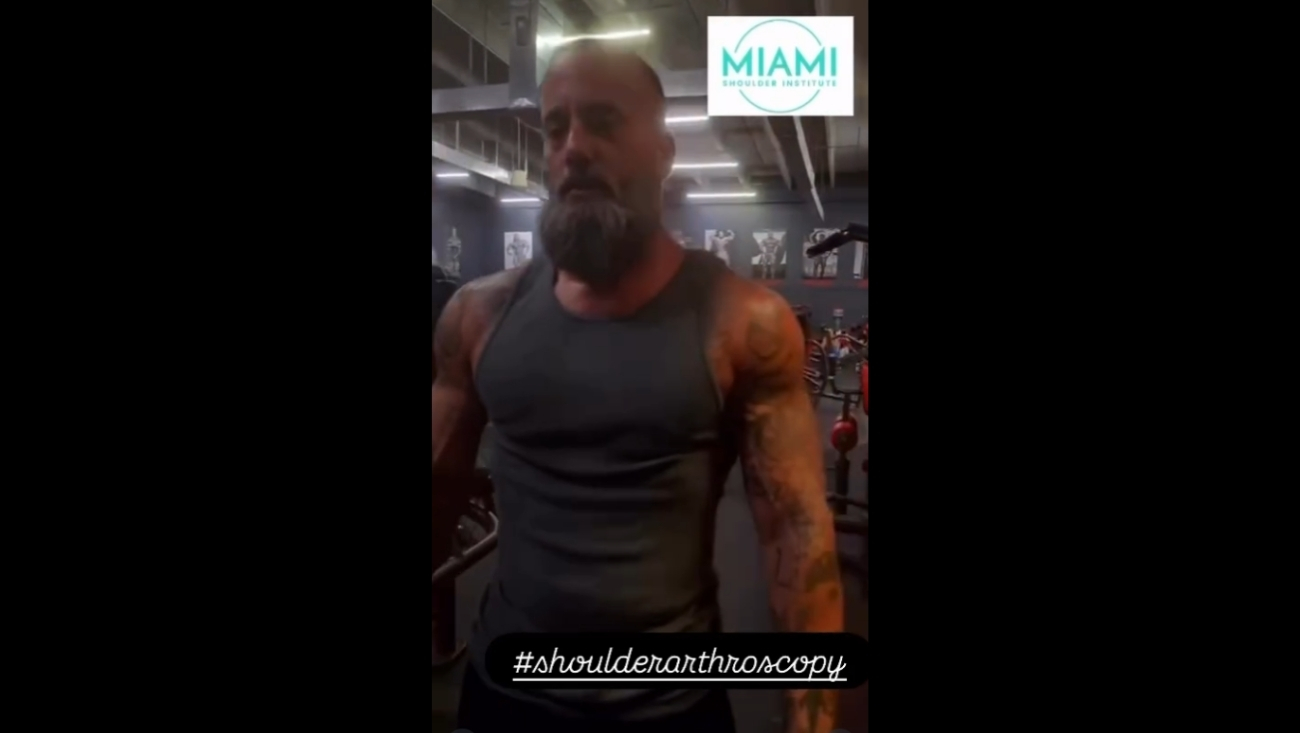
Many fitness athletes don’t realize they don’t need to suffer in pain from a shoulder injury that has not responded to conservative treatment, yes, that includes peptides and PRP.
Dr.Badia Uses Augmented Reality And Ultrasound To Precisely Infiltrate A Shoulder

For those who are afraid of injections, it's important to realize that doing it with the right imaging tools and experienced hands may be an easier experience than you think...
Patient Testimony After A Major SLAP Tear Repair With 4 Anchors

Our patient is a Cricket player from Barbados who visit us after dislocating his shoulder. Preoperative Diagnoses: 1. Right shoulder superior labral tear2. Right latissimus dorsi muscle strain Postoperative Diagnoses:...
Jim Fraser Cayman Island – Shoulder Surgery Testimonial
From Injury to Recovery in Days: International Patient Finds Shoulder Relief in Miami Jim Fraser, a patient from the Cayman Islands, struggled with persistent right shoulder pain caused by rotator...
Understanding Shoulder Impingement Syndrome
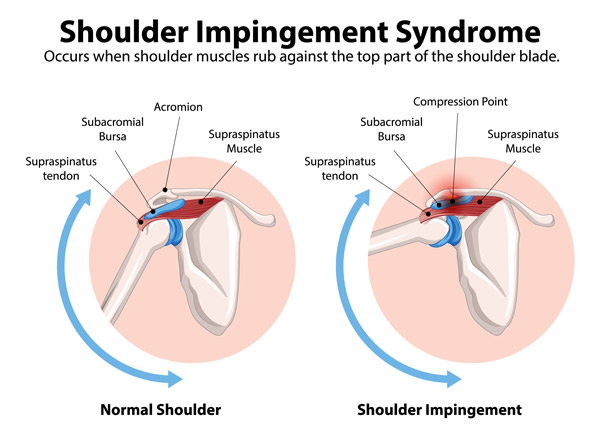
What is Shoulder Impingement Syndrome?
Shoulder Impingement Syndrome occurs when the soft tissues within the shoulder become compressed between the bones of the shoulder joint during movement. This repeated pinching can lead to inflammation, irritation, and pain.
The condition most commonly affects the rotator cuff tendons and the subacromial bursa, a fluid-filled sac that helps reduce friction within the shoulder. As inflammation develops, the available space within the joint becomes even narrower, further aggravating symptoms.
Shoulder impingement frequently develops gradually and may initially cause only mild discomfort during certain activities. Over time, however, symptoms often worsen and begin affecting daily tasks as well as athletic performance.
If left untreated, chronic impingement may contribute to rotator cuff degeneration or tearing, making early evaluation and treatment especially important.
Common Symptoms
Shoulder impingement symptoms often begin gradually and become more noticeable with repetitive arm movements. The severity of symptoms varies depending on the degree of inflammation and tissue involvement.
Shoulder Pain During Overhead Activities
Pain is commonly felt when lifting the arm above shoulder level, such as reaching for objects on a shelf, throwing a ball, or performing overhead work. The discomfort is often located on the outer portion of the shoulder.
As inflammation worsens, even simple movements may become painful. Patients frequently notice that activities they previously performed without difficulty now trigger discomfort.
Many individuals also report pain after exercise or prolonged use of the shoulder, especially following repetitive motions.
Pain While Sleeping
Many patients experience shoulder pain at night, particularly when lying on the affected side. This can make it difficult to find a comfortable sleeping position.
Nighttime discomfort often becomes one of the most frustrating symptoms because it can interfere with sleep quality and overall well-being.
As the condition progresses, patients may begin waking up due to shoulder pain even when they are not directly lying on the affected shoulder.
Weakness in the Shoulder
Inflammation and irritation of the rotator cuff tendons can cause the shoulder to feel weak during certain movements. Patients may notice difficulty lifting objects or maintaining strength during sports and exercise.
The weakness is often most apparent when raising the arm away from the body or performing repetitive overhead motions.
Although weakness may initially be mild, it can become more pronounced if the condition remains untreated.
Limited Range of Motion
As pain and inflammation increase, shoulder movement may become restricted. Patients often notice stiffness when reaching overhead, behind the back, or across the body.
The reduction in mobility may develop gradually and sometimes causes patients to avoid movements that trigger discomfort.
Over time, decreased use of the shoulder can contribute to additional stiffness and reduced function.
Causes and Risk Factors
Shoulder impingement is typically caused by repeated compression of the rotator cuff tendons or bursa within the shoulder joint. Various anatomical and lifestyle factors can increase the likelihood of developing this condition.
Common causes and risk factors include:
- Repetitive overhead activities
- Sports such as tennis, baseball, swimming, and volleyball
- Occupations requiring frequent lifting or overhead work
- Poor shoulder posture
- Bone spurs beneath the acromion
- Rotator cuff inflammation or tendinitis
- Previous shoulder injuries
- Age-related wear and tear
- Muscle imbalances affecting shoulder mechanics
Individuals who regularly perform repetitive shoulder movements are generally at the highest risk for developing shoulder impingement syndrome.
How It Is Diagnosed
An accurate diagnosis is essential to determine the severity of the condition and rule out other shoulder disorders that may produce similar symptoms.
Your physician may use several diagnostic methods, including:
- Detailed medical history review
- Physical examination of shoulder strength and mobility
- Assessment of pain during specific movements
- Evaluation of rotator cuff function
- X-rays to identify bone spurs or structural abnormalities
- MRI imaging to assess soft tissue damage
- Ultrasound evaluation of tendons and bursae when appropriate
Combining clinical findings with imaging studies allows for a comprehensive understanding of the condition and helps guide treatment recommendations.
Treatment Options for Shoulder Impingement Syndrome
Treatment focuses on reducing inflammation, relieving pain, restoring shoulder mechanics, and preventing future injury. Most patients respond well to conservative treatment when diagnosed early.
Physical Therapy and Activity Modification
Physical therapy is often the first line of treatment for shoulder impingement. A structured rehabilitation program can help strengthen the muscles that support the shoulder and improve joint mechanics.
Stretching exercises may also help restore flexibility and reduce pressure on irritated tissues. Improving posture and shoulder positioning often plays a key role in recovery.
Patients are typically advised to temporarily modify activities that aggravate symptoms while the shoulder heals.
Medications and Injection Therapy
Anti-inflammatory medications may help reduce swelling and discomfort associated with shoulder impingement. These medications can be particularly useful during periods of increased inflammation.
For patients with persistent symptoms, corticosteroid injections may provide significant pain relief. The injection helps decrease inflammation within the shoulder and may improve participation in physical therapy.
While injections can be highly effective, they are usually considered part of a broader treatment plan rather than a standalone solution.
Advanced and Surgical Treatments
When conservative treatments fail to provide adequate improvement, surgical intervention may be considered. The goal of surgery is to create more space within the shoulder and relieve pressure on the affected tissues.
Minimally invasive arthroscopic procedures can often be used to remove inflamed tissue, address bone spurs, and improve shoulder mechanics.
Most patients undergoing surgical treatment participate in a structured rehabilitation program afterward to restore strength, mobility, and function.
Articles About Shoulder Impingement Syndrome
Learning more about shoulder impingement can help patients better understand the causes of their symptoms and the treatment options available. Explore our collection of educational articles covering shoulder pain, rotator cuff disorders, rehabilitation strategies, and the latest advances in shoulder care.
Treatment of Shoulder Pain

Discover effective treatments for shoulder pain, from conservative therapies to advanced arthroscopic surgery, ensuring a faster recovery and improved function for all ages at the Badia Hand to Shoulder Center.
A Patient’s Journey Through Bilateral Shoulder Procedures

Discover how advanced shoulder resurfacing procedures can restore mobility and improve quality of life, as showcased by Karen's remarkable recovery at Badia Hand to Shoulder Center in Miami.
Enhance Your Cricket Performance & Prevent Injuries

Optimize your cricket performance and prevent injuries with expert orthopedic care from the Badia Hand to Shoulder Center, specializing in tailored solutions for athletes.
Shoulder Pain

Discover effective solutions for shoulder pain, from understanding its causes to exploring advanced treatments like arthroscopy, ensuring a path to recovery and improved functionality.