
Join Dr. Alejandro Badia alongside international experts at the Ganga Sports Hand Operative Course (G-SHOC 2026). This specialized event focuses on the latest clinical updates, live surgery demonstrations, and rehabilitation workshops for sports injuries of the hand.
📆 July 25th – 26th, 2026
📍 Ganga Medical Center and Hospitals. Coimbatore, India
✋ Comprehensive workshop featuring live surgical demonstrations and rehabilitation updates in sports hand injuries.
Renowned hand and wrist surgeon discusses athletic wrist injuries

Dr. Alejandro Badia emphasizes the importance of quick diagnosis and specialized treatment for athletic wrist injuries to ensure optimal recovery and prevent complications.
Sports Injuries Of The Hand And Wrist: Renowned Orthopedic Surgeon Attends AAHS 2015 In Bahamas
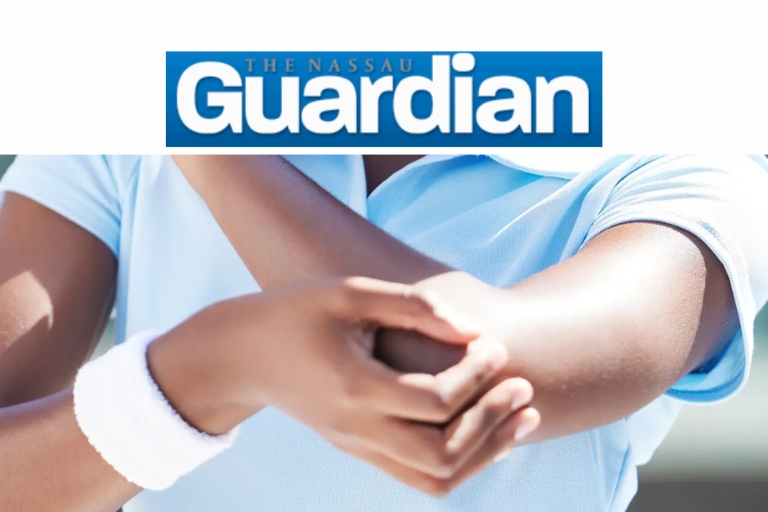
Dr. Alejandro Badia, a top hand surgeon, shares insights on sports injuries of the hand and wrist, emphasizing innovative treatments and recovery methods at the AAHS 2015 Annual Meeting in the Bahamas.
Wrist Pain in Golfers and Tennis Players
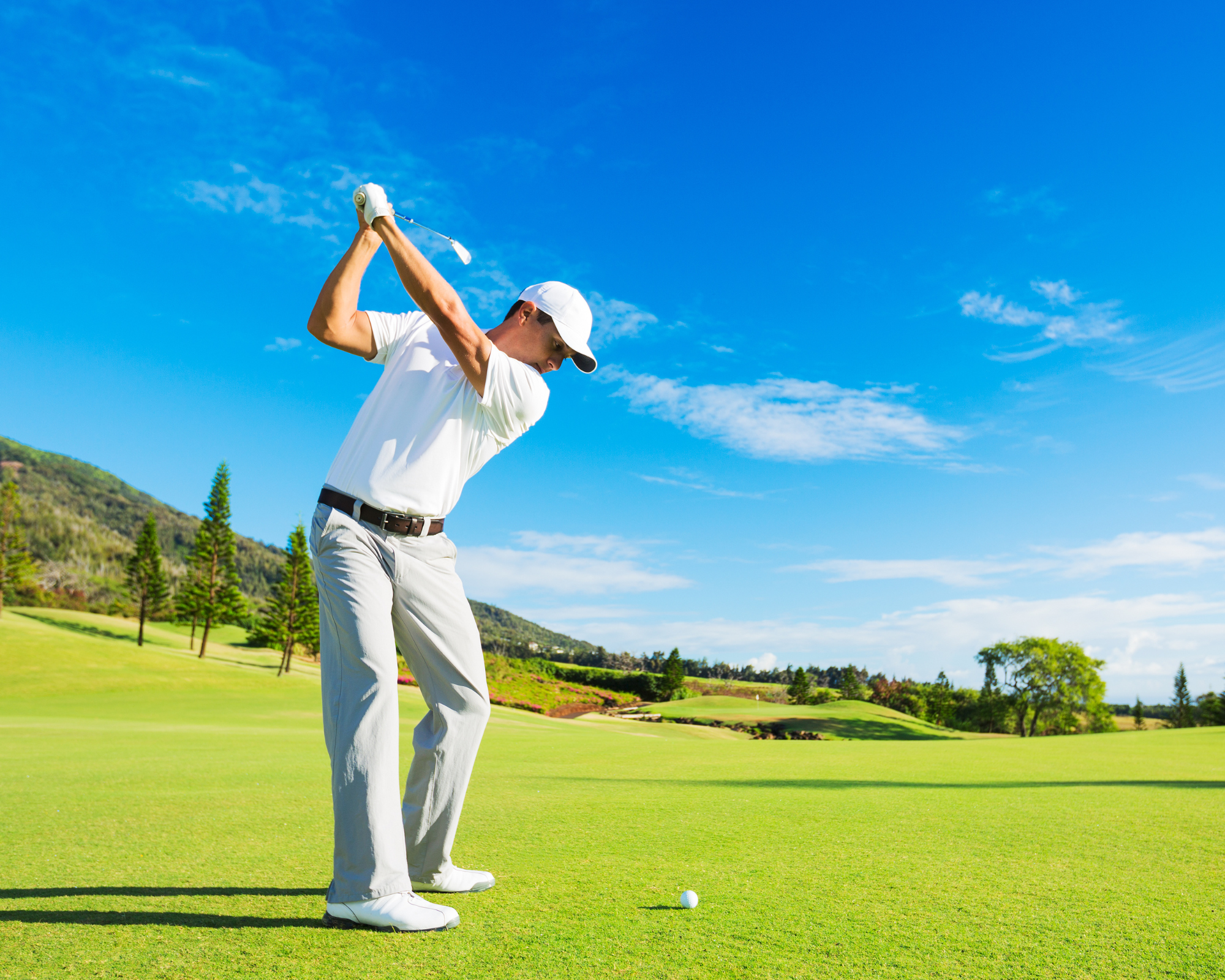
Golfers and tennis players in the Bahamas can effectively address wrist pain through expert arthroscopy, ensuring a swift return to their favorite sports.
Frequent Finger Injuries Among Bahamian Cricketers
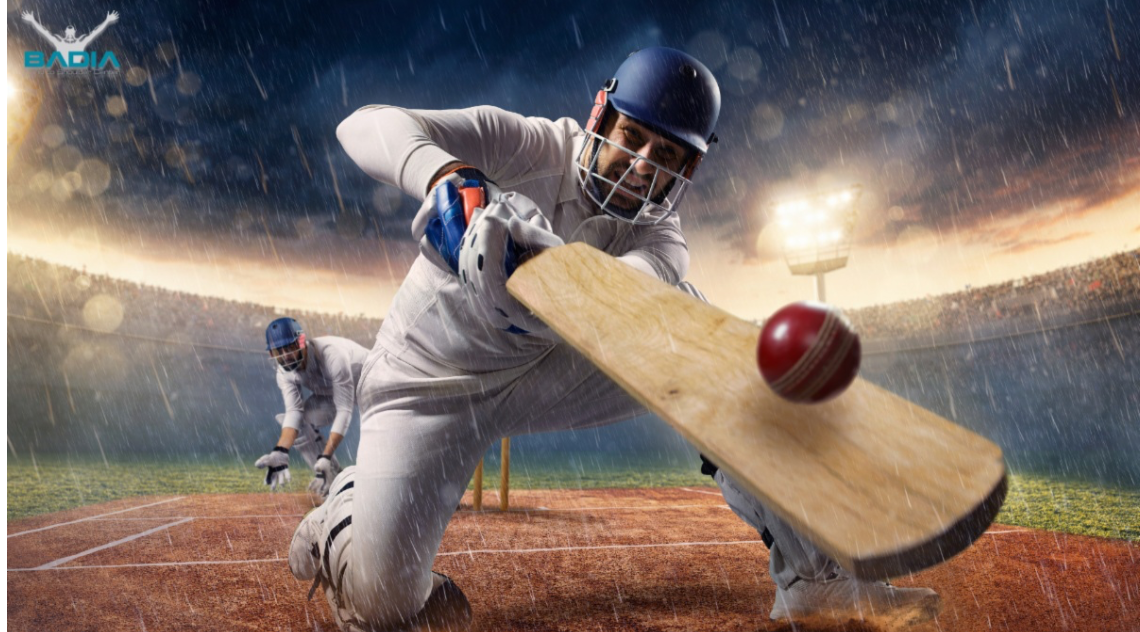
Frequent finger injuries in Bahamian cricketers often go undiagnosed, but early assessment and intervention by hand specialists can significantly improve recovery and athletic performance.
GLOBAL SPORTS MEDICINE LEADERSHIP
Leading the World in Sports Hand Surgery Education
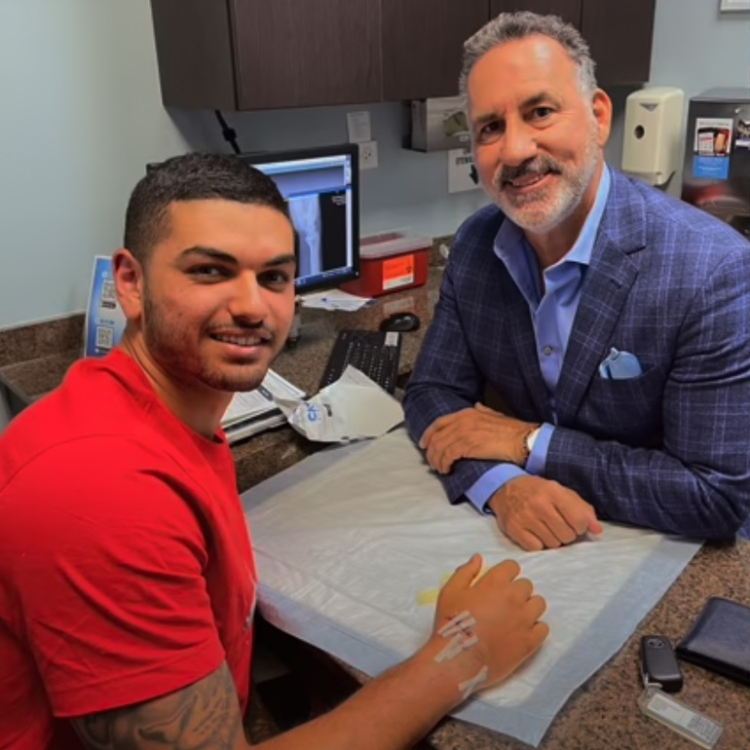
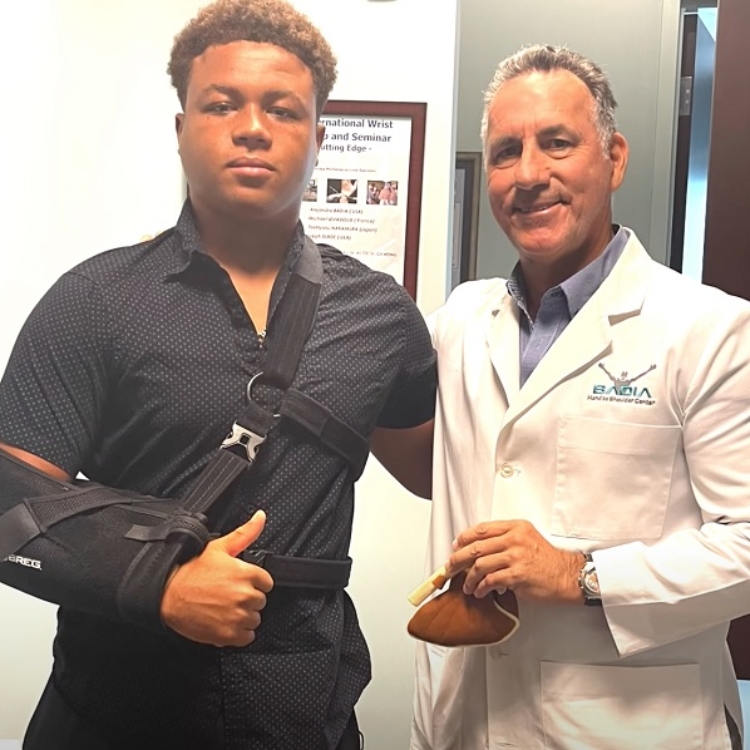
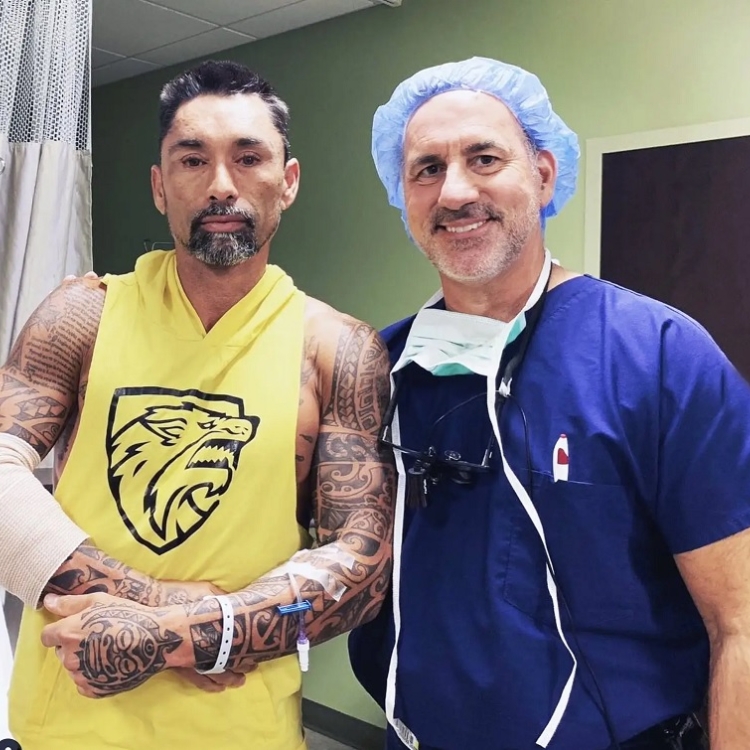
As an internationally recognized authority in upper extremity sports injuries, Dr. Alejandro Badia is featured as International Faculty at the upcoming G-SHOC 2026 in India. By sharing advanced techniques and conducting live surgical demonstrations on complex athletic hand injuries, he continues to set the global standard for champion-level orthopedic care.
- International Faculty at G-SHOC (July 25-26, 2026)
- Live operative demonstrations on athletic injuries
- Advanced surgical protocols for tennis, golf, and padel
- Trusted by professional and recreational athletes worldwide
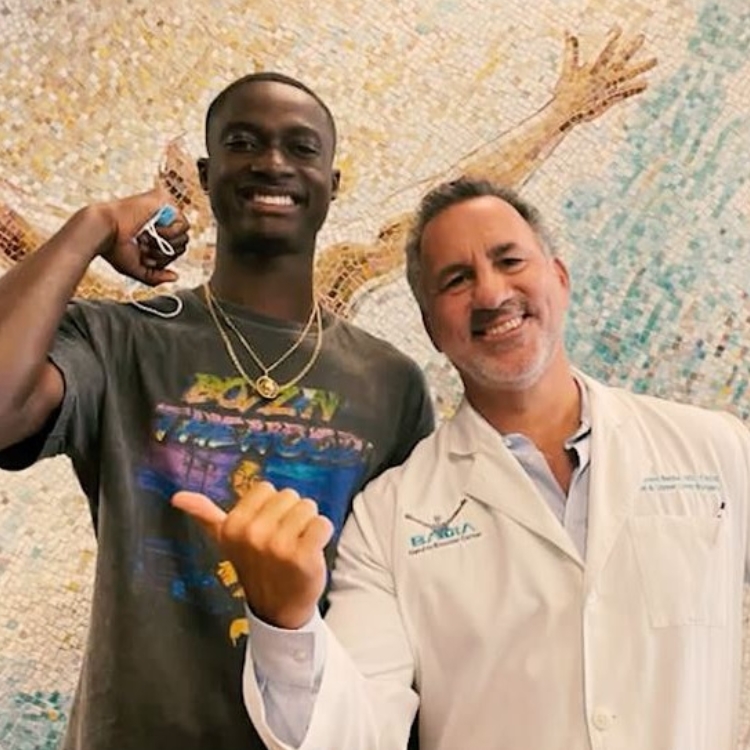
You ask, we answer
What Patients from
India Want to Know
How are upper extremity athletic injuries treated for patients in India?
Treatment depends on the nature and severity of the injury. For mild sprains, strains, and tendon inflammation, non-surgical options such as rest, physical therapy, anti-inflammatory medications, and bracing are often sufficient. Regenerative treatments, including platelet-rich plasma (PRP) or stem cell therapy, may also accelerate healing by stimulating tissue repair.
For more complex injuries — like ligament tears, joint instability, or fractures — Dr. Badia utilizes minimally invasive arthroscopic surgery, techniques he frequently demonstrates at international medical forums such as G-SHOC in Coimbatore. This approach allows for precise repair or reconstruction through tiny incisions, minimizing pain, scarring, and recovery time.
Post-surgery, a tailored rehabilitation program restores motion, strength, and coordination. Whether through telemedicine evaluations from India or in-person care in Miami, Dr. Badia focuses on restoring peak function while preventing future injury recurrence for professional and recreational athletes.
What are the best ways to prevent sports-related shoulder, elbow, and wrist injuries?
Preventing upper extremity injuries starts with a balanced training routine that emphasizes strength, flexibility, and proper biomechanics — essential for cricket bowlers, tennis players, and racquet sport athletes across India. Athletes should perform dynamic warm-ups and focus on core and scapular stability to reduce stress on the shoulder and elbow.
Using correct technique and equipment — such as adjusted grip sizes on racquets or refined bowling mechanics — plays a key role. Gradually increasing training intensity and incorporating adequate rest days can prevent fatigue-related tissue breakdown.
Dr. Badia encourages athletes to pay attention to early warning signs, like soreness or decreased range of motion. Addressing minor symptoms promptly through targeted therapy, guided injections, or virtual consultations can prevent more severe injuries that require surgery. Ongoing preventive care and sport-specific conditioning form the foundation for long-term athletic health.
When should an athlete see a hand or upper extremity specialist?
Athletes should seek evaluation from a hand or upper extremity specialist if they experience persistent pain, swelling, stiffness, numbness, or reduced grip strength after training or competition. Ignoring early symptoms can lead to more serious injuries, such as tendon ruptures, ligament tears, or chronic joint instability.
A specialist like Dr. Badia performs advanced diagnostic imaging and physical assessments to identify the root cause of discomfort. His expertise in hand, wrist, and elbow arthroscopy enables him to detect subtle injuries that standard X-rays often miss.
Through international telemedicine consultations, athletes in India can receive world-class expert advice from home. Getting evaluated early ensures access to customized treatment plans, including regenerative medicine options (like PRP therapy) or minimally invasive surgery when necessary, to protect long-term performance.
How do overuse injuries develop in athletes?
Overuse injuries occur when an athlete performs repetitive motions without adequate rest or conditioning. These microtraumas accumulate over time, leading to inflammation, tendon degeneration, or cartilage wear in the elbow, shoulder, and wrist.
Athletes in India participating in cricket, badminton, and tennis are particularly susceptible. For example, tennis elbow and golfer’s elbow stem from repetitive gripping and wrist extension, while rotator cuff tendinitis develops from repeated overhead throwing or bowling motions without sufficient recovery.
Preventing overuse injuries involves proper technique, cross-training, rest, and strengthening stabilizing muscles. If pain persists, Dr. Badia recommends an early consultation to assess tissue damage. Minimally invasive arthroscopic techniques can often treat overuse-related tears effectively while preserving long-term joint function.
What are the most common upper extremity athletic injuries?
Common upper extremity sports injuries include rotator cuff tears, shoulder dislocations, labral tears, tennis elbow (lateral epicondylitis), wrist sprains, and finger fractures. These frequently occur from overuse, repetitive overhead strain, or direct impact during cricket, tennis, badminton, and golf.
Athletes relying heavily on throwing or overhead movements — such as cricket pitchers/bowlers and racquet sport players — face continuous strain on tendons and stabilizing ligaments. Early diagnosis is crucial to avoid chronic joint instability.
Dr. Badia emphasizes arthroscopic evaluation and treatment, which allows for precise repair of damaged structures with minimal downtime — helping athletes in India and worldwide return to their sport safely and efficiently.